

ABNA24 - Oxfam International and the Conflict and Environment Observatory warned of a large-scale environmental catastrophe in the Gaza Strip, caused by the destruction left by the Israeli war, affirming that soil, water, and air pollution pose a long-term threat to the health of residents and the environment, and their repercussions could last for decades and future generations.
The two organizations said, in a report issued on Monday that potential pollution indicators were detected in more than 99% of the Gaza Strip’s area, raising growing concerns regarding the safety of water resources, soil, and air, and the scale of health risks to which residents are exposed to.
The report carried the title, Environmental War Crimes: How Israel’s Assault Turned Gaza into a Toxic Wasteland, Threatening Human Survival, and identified multiple sources of pollution, including heavy metals, explosive remnants, asbestos resulting from damaged buildings, dioxins, and biological pollutants resulting from the collapse of sewage systems.
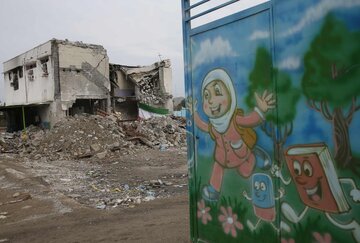
It clarified that Israeli military operations left about 61 million tons of rubble in various areas of the Strip, according to United Nations Environment Program estimates, warning that these remnants contain hazardous materials capable of leaking into the soil, water, and surrounding environment.
The report pointed out that about 78% of Gaza’s area was affected by the scale and intensity of military operations, while restrictions imposed on access to testing equipment and specialists prevented conducting a comprehensive field assessment of pollution levels and the extent of its spread.
Water pollution and collapse of the sewage system
Regarding water, the report revealed that tests conducted in July 2026 showed the presence of fecal coliform bacteria in 19% of the 79 wells sampled, compared to two percent in 2021, reflecting an alarming deterioration in groundwater safety indicators.
It showed that only 19% of sewage pumping stations are still operating, while about 30% of the network retains some of its operational capacity, in light of the extensive damage inflicted on infrastructure during the war.
It warned that about 40,000 cubic meters of untreated sewage flow daily into the Mediterranean Sea, in addition to the loss of another 15,000 cubic meters through pits and leakage paths, exacerbating the risks of water and soil pollution and the spread of biological pollutants.
Rubble dust threatens residents’ health
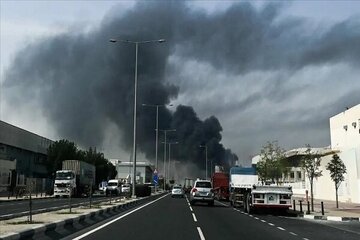
On the air pollution front, the report warned of the spread of dust and polluting materials resulting from the destruction of buildings, alongside the exacerbation of air pollution due to waste burning, identifying Gaza City, Jabalia, and areas of the northern Strip among the regions facing high risks.
It noted that children, pregnant women, and people suffering from pre-existing conditions are more vulnerable to the health repercussions resulting from these pollutants, including respiratory diseases.
Agricultural lands face catastrophic losses
Environmental repercussions were not limited to water and air, as the report warned of the widespread deterioration that afflicted agricultural lands and vegetation cover in the Strip.
It cited a UN assessment indicating that Gaza lost about 97% of its tree crops, 95% of its tree-covered lands, and 82% of its annual crops, compared to what they were before the war, reflecting the scale of damage inflicted on the agricultural sector and its ability to provide food and restore production.
Warnings of pollution extending for generations
The two organizations stressed the necessity of conducting comprehensive tests of soil, water, and air, removing hazardous materials and unexploded ordnance, rehabilitating sewage networks, and dealing with rubble according to standards that ensure the protection of residents and the environment.
They emphasized that the reconstruction of the Gaza Strip must be accompanied by addressing pollution and monitoring its long-term health and environmental effects, warning that ignoring these risks could turn the effects of destruction into an ongoing threat to the lives and health of Palestinians, extending to future generations.
In a related context, a child died today in the Gaza Strip, after suffering acute lead poisoning, amid growing health risks resulting from citizens being forced to maintain damaged batteries inside displacement sites and tents, as a result of the Israeli blockage on the entry of new and safe batteries.
Medical sources in Gaza announced on Monday the recording of the death case, explaining that clinical and diagnostic follow-up, epidemiological investigation, and medical history showed clear signs of the child suffering from acute lead poisoning.
The sources pointed out that the child’s father works in repairing batteries inside displacement sites and tents, in conditions lacking proper ventilation and safety procedures, exposing family members, especially children, to serious health risks.
The sources linked the incident to the Israeli ban on the entry of new batteries, which pushes citizens and workers to attempt at repairing damaged and worn-out batteries inside narrow, unventilated residential environments, leading to the emergence of dangerous hotspots of pollution and poisoning.
They warned that this incident could be an indicator of the presence of large numbers of children suffering from chronic lead poisoning without diagnosis, amid a shortage of necessary supplies and laboratory tests to measure blood lead levels.
The medical sources held Israel directly responsible for exposing the lives of thousands of children to the risk of chronic lead poisoning, by depriving them of safety components and preventing the entry of new and safe batteries.
They called on the international community and the United Nations to intervene urgently and pressure Israel to allow the entry of alternative and safe batteries, and lift restrictions imposed on energy inputs and batteries, in order to protect the lives of citizens, particularly children.
They also called on international health organizations, foremost among them the World Health Organization, to pressure for the entry of laboratory testing devices and supplies dedicated to measuring blood lead levels, Point-of-Care BLL testing, to enable medical teams to detect undiagnosed cases and intervene before the injury develops into death or permanent disability.
/129


Your Comment